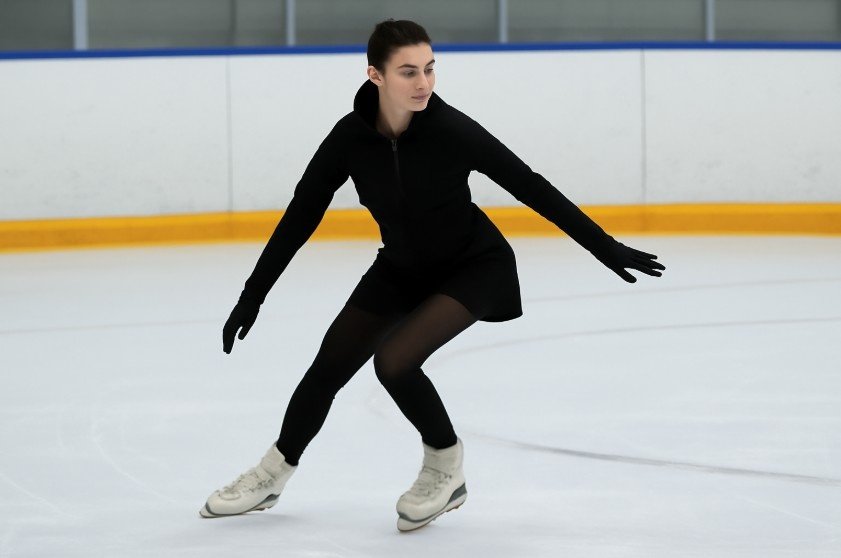
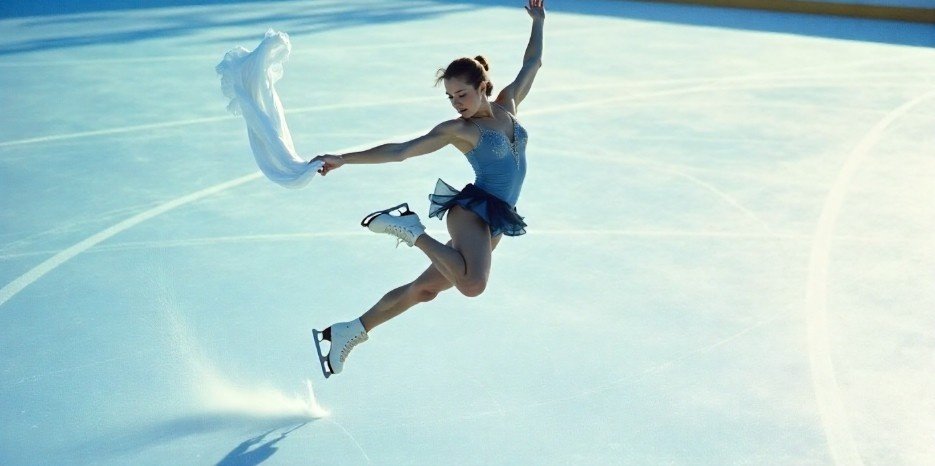
Figure skating is an intricate sport that combines athleticism and artistry. To truly excel in figure skating, skaters must master a variety of moves that showcase their control, agility, and precision on the ice. These moves can be broadly categorized into jumps, spins, and moves in the field (general skating movements, turns, and steps). In this blog, we’ll explore each category in detail, offering insights and tips for mastering these essential figure skating moves.
Jumps in Figure Skating
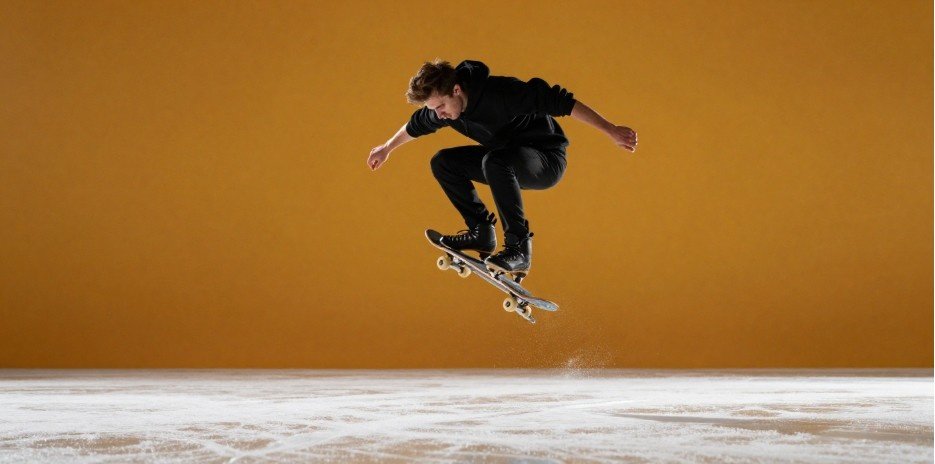
Jumps are one of the most exciting elements in figure skating. They require strength, timing, and precision as skaters leap into the air, rotate, and land on one foot (except for the Axel, which is the only jump with a forward takeoff). There are several types of jumps, each with its own unique takeoff edge and characteristics.
Jump Categories:
- Axel (A): The only forward takeoff jump in figure skating. It requires an extra half rotation, making it one of the most challenging jumps to master.
- Takeoff Edge: Forward Outside Edge
- Landing: Backward Outside Edge
- Lutz (Lz): A backward jump that requires the skater to take off from a backward outside edge, assisted by the toe pick.
- Takeoff Edge: Backward Outside Edge
- Landing: Backward Outside Edge
- Flip (F): A backward jump that uses the toe pick for assistance during takeoff.
- Takeoff Edge: Backward Inside Edge
- Landing: Backward Outside Edge
- Loop (Lo): A backward jump with no toe assist, known for its clean, fluid rotation and landing on the same foot.
- Takeoff Edge: Backward Outside Edge
- Landing: Backward Outside Edge (same foot)
- Salchow (S): A backward jump that relies on the opposite leg’s swing to launch the skater into the air.
- Takeoff Edge: Backward Inside Edge
- Landing: Backward Outside Edge (no toe assist)
- Toe Loop (T): A backward jump that involves a toe-assisted takeoff and a clean landing on the same foot.
- Takeoff Edge: Backward Outside Edge
- Landing: Backward Outside Edge (same foot)
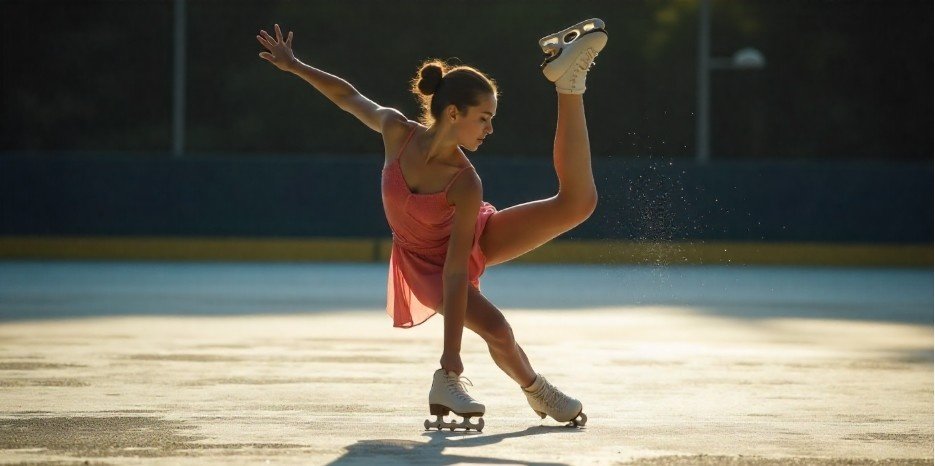
Other jumps include the Waltz Jump (half-rotation), Bunny Hop (beginner jump), Euler (half-loop jump used in combinations), and Split Jumps. Each jump requires unique body control and technique to ensure a smooth takeoff, rotation, and landing.
Spins in Figure Skating
Spins are another iconic element of figure skating, showcasing a skater’s ability to maintain balance, speed, and control while rotating on one or both feet. Spins can be performed in various positions, and skaters often incorporate variations to add complexity to their routines.
Basic Spin Positions:
- Upright Spin: The skater maintains an upright posture while spinning. Variations of this include the Layback Spin (leaning backward) and the Biellmann Spin (with the free leg raised above the head).
- Sit Spin: The skater lowers into a squatting position while spinning. This position demonstrates flexibility and strength, as the skater must maintain balance in a deep squat.
- Camel Spin: The free leg is extended backward in a “T” shape, while the skater maintains balance and spins on one foot.
Spin Variations:
- Flying Spins: These spins are initiated from a jump, where the skater rotates mid-air before landing into a spin position.
- Combination Spins: A series of spins where the skater changes positions or feet during the spin, showcasing their flexibility and speed.
- Pair Spins: Performed in pairs skating, where both skaters spin together in a single position.
Mastering these spins requires strong core muscles, balance, and flexibility, along with precise timing and control.
Moves in the Field: Basic Skating Skills
In addition to jumps and spins, moves in the field encompass all other skating techniques that demonstrate a skater’s ability to control their edges, generate power, and move fluidly across the ice.
Basic Skating Skills:
- Forward and Backward Gliding: Gliding smoothly across the ice, maintaining balance and control.
- Swizzles: Pushing the feet in and out to move across the ice in a “V” shape. This skill helps skaters build strength and coordination.
- Stroking: This is the technique used to generate momentum while skating forward, crucial for maintaining speed and fluidity in routines.
- Stops: Basic stopping techniques include the Snowplow Stop (pushing the edges of the blades out and in to slow down) and the T-Stop (a method of stopping by dragging one skate behind the other in a “T” shape).
Turns and Steps:
- Three-Turns: A one-foot turn that involves a sharp change in direction. This move is foundational for advanced footwork.
- Mohawk Turns: A two-foot turn used to switch directions smoothly while maintaining speed.
- Rocker Turns: A combination of an inside edge and outside edge turn, often used in complex routines.
- Twizzles: Multi-rotation turns performed on one foot while traveling in a circular pattern, demonstrating agility and speed.
Choreographic Elements:
Choreographic elements involve expressive skating movements such as:
- Spirals: Gliding on one foot with the free leg raised behind, resembling an arabesque position.
- Lunges: A dramatic, deep bend in the knee, often used for effect in choreography.
- Spread Eagles: A move where the skater stretches their legs out to the sides while gliding forward.
- Cantilevers: A lean with the free leg raised, demonstrating flexibility and balance.
Pair Skating Elements:
In pair skating, skaters perform elements such as:
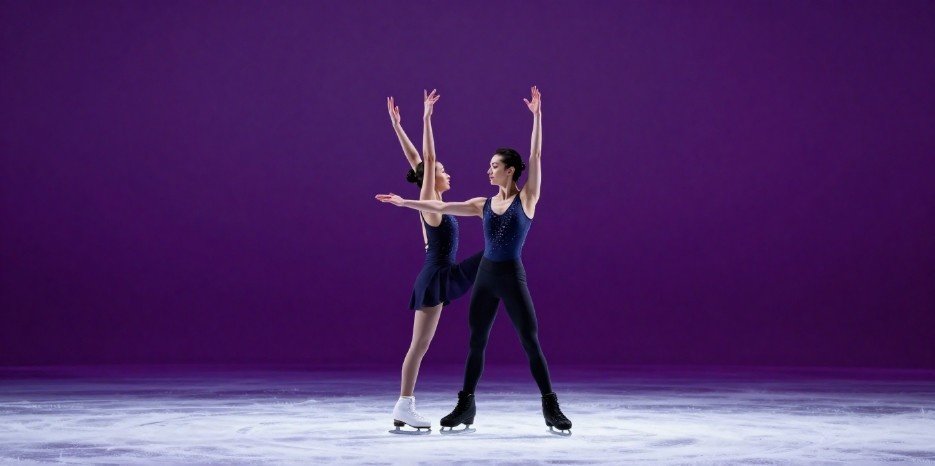
- Lifts: One partner lifts the other into the air.
- Throw Jumps: The woman is thrown into the air by her partner, landing on the ice after performing a jump.
- Side-by-Side Jumps and Spins: Both partners perform synchronized jumps or spins in tandem.
- Death Spiral: One partner (usually the woman) is held low by the male partner while spinning in a deep edge position.
Frequently Asked Questions
1. What are the most common figure skating moves for beginners?
For beginners, the most common figure skating moves include two-foot glides, swizzles, snowplow stops, forward crossovers, and backward skating. These moves help build balance, control, and comfort on the ice.
2. How long does it take to learn figure skating jumps and spins?
The time it takes to learn figure skating jumps and spins varies depending on your skill level and consistency in practice. Beginners may take several months to master basic jumps and spins, while more advanced skaters can take years to perfect complex techniques.
3. Are spins or jumps more difficult in figure skating?
Both spins and jumps require different sets of skills. Jumps tend to be more physically demanding due to the need for strength and timing, while spins require balance, flexibility, and precision. Each presents its own challenges and should be mastered with consistent practice.
4. What are the best exercises to improve figure skating moves?
To improve figure skating moves, skaters should focus on strength exercises like squats and lunges, balance drills like one-leg stands, and flexibility exercises such as yoga. Off-ice training is just as important as on-ice practice for building the necessary muscle strength and agility.
Key Takeaways for Skating Success
Mastering figure skating moves, whether jumps, spins, or general skating skills, is essential for becoming a successful skater. By focusing on fundamental moves, improving posture, and consistently practicing, you’ll see significant improvements in your skating abilities. Whether you’re preparing for competition or simply enjoying skating for fun, these moves form the foundation for every skater’s success. Stay patient, dedicated, and always push yourself to learn new skills.