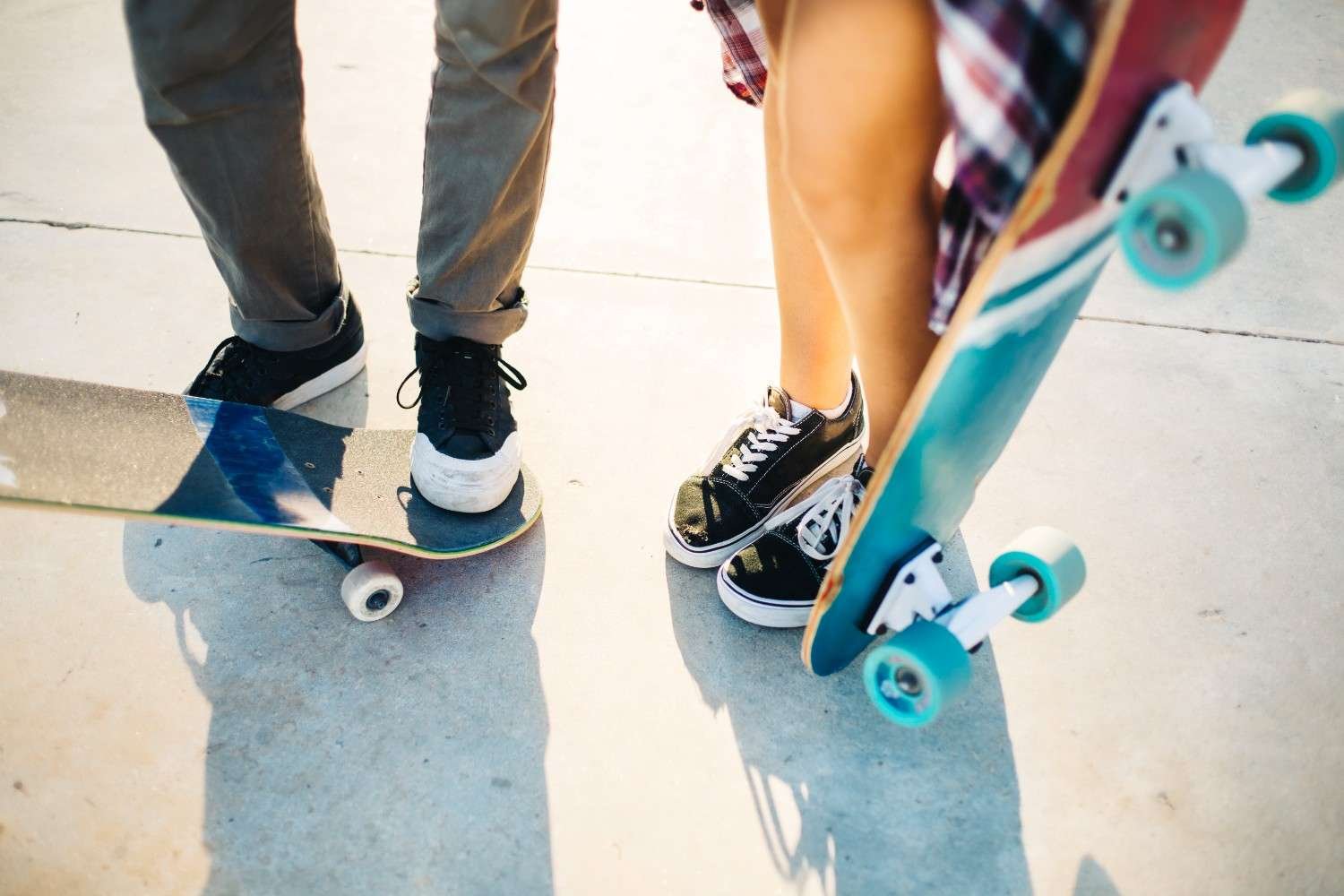
When I went looking for the best skateboard for beginners, I honestly felt lost in a sea of deck widths, wheel durometers, and brand hype. If you’re here, you probably feel the same. The good news? You don’t need to be a gear nerd to pick a great first board—you just need to understand a few basics and avoid the common traps that make skateboarding harder (and less fun) than it needs to be.
In this guide, I’ll walk you through what actually matters for your first setup, using advice that real skate shops, coaches, and pro-level retailers give to beginners.
What Makes the Best Skateboard for Beginners?
The best skateboard for beginners is usually a quality complete (pre-assembled board) from a skate brand or skate shop—not a cheap “toy” skateboard from a big-box store. Complete boards from real skate companies use maple decks, decent trucks, and polyurethane wheels that actually roll and turn properly.
Toy-shop or super-cheap boards often use low-quality wood, plastic trucks, and hard plastic wheels that crack or slide unpredictably. That makes learning basic pushing and turning way harder and can even be unsafe.

For most new skaters, a good beginner complete should give you:
- Enough stability to feel balanced
- Smooth-rolling wheels that don’t catch on every crack
- Parts that last long enough to decide whether you actually like skating
You don’t need top-of-the-line pro gear yet—just solid, mid-range quality from a legit skate source.
What Size Skateboard Should a Beginner Get?
This is the question that stresses people out the most, but it’s more forgiving than you think. For most teens and adults, a deck width between 7.75″ and 8.25″ is a great starting point.
- If you have smaller feet (US men’s 6.5–9), many guides suggest 7.5″–8.0″ decks.
- If you wear US 9.5 or above, an 8.0″–8.5″ width generally feels more stable and comfortable.
For kids under ~10 or under 5 ft (152 cm), many shops recommend junior or mid-size decks that are slightly narrower and shorter, so they’re easier to control.
Don’t overthink a few millimeters. If you’re unsure, 8.0″–8.125″ is a very safe all-around size for most beginners who want to skate parks, streets, and a bit of everything.

Should Beginners Buy a Complete or Build Their Own Board?
If this is your first board, buy a complete. Building from separate parts is fun later, but it’s easy to mismatch components when you’re new.
Beginner buying guides from established skate shops strongly recommend complete boards because:
- The deck, trucks, and wheels are already matched in size
- You avoid overspending on unnecessary pro-level parts
- The setup works out of the box—no tools, no guesswork
Once you’ve been skating for a bit and know what you like (wider deck, different wheels, looser trucks, etc.), then you can start swapping parts or building a custom board from scratch.
How Do Wheels, Trucks, and Bearings Affect a Beginner’s Ride?
You don’t need to memorize every number, but a few basics go a long way.
Wheels
Most beginner street/park setups use 52–54 mm wheels.
- Smaller wheels (50–52 mm) are more for technical tricks.
- Mid-size (52–54 mm) are versatile for parks and street.
- Larger soft wheels are better for pure cruising.
Wheel hardness (durometer) matters too:
- Around 78A–85A: very soft, great for cruising rough pavement, not ideal for technical tricks.
- Around 90A–95A: good balance of comfort and slide.
- Around 99A–101A: harder and better for tricks, skateparks, and smooth surfaces.
Trucks
Your truck width should roughly match your deck width so your wheels line up with the edges of the board. Many size charts from skate brands and shops show which truck sizes pair with which deck widths to keep things stable.
Bearings
Standard ABEC-5 or ABEC-7 bearings from reputable skate brands are more than enough for beginners. Most decent completes include these by default.
How Much Should You Spend on the Best Skateboard for Beginners?
You don’t have to drop hundreds of dollars, but going too cheap usually backfires. Many beginner guides recommend a mid-range price—not toy-level cheap, not ultra-premium pro-level.
In the US, a realistic starter budget is:
- $80–$150 for a quality complete from a skate shop or respected brand
- Anything much cheaper is often made with poor materials that wear out quickly or ride terribly
Think of it this way: a better board makes learning easier, which means you’re more likely to stick with skating long-term.

How Do You Choose the Best Skateboard for Beginners Step-by-Step?
You can keep the process simple:
- Decide what you want to do most. Park and street tricks? Go standard skateboard with mid-sized hard wheels. Mostly cruising? Consider softer wheels or even a cruiser/longboard.
- Pick your deck size. Use your shoe size and age as a guide: 7.5″–8.0″ for smaller feet, 8.0″–8.5″ for larger feet and adults.
- Choose a reputable complete. Buy from a skate shop or known brand that clearly lists deck material (usually maple), wheel size, and hardness.
- Add safety gear. A certified helmet, plus knee, elbow, and wrist guards, can save you from injuries while you’re learning. Most official skate organizations emphasize this.
Follow those four steps and you’re already ahead of most beginners who buy the cheapest board they see.
Frequently Asked Questions
1. Is a 7.75 or 8.0 deck better for beginners?
Both sizes work, and you’ll adapt quickly to either. If you have smaller feet or want to focus on flip tricks, 7.75″ can feel a bit easier to maneuver. If you want more stability for parks, ramps, or you have larger feet, 8.0″ is a great all-rounder. Size charts from major skate retailers generally place most adults somewhere in the 7.75″–8.25″ range to start.
2. Are cheap department-store skateboards okay for beginners?
They’re tempting, but usually not a good idea. Many ultra-cheap boards use low-quality wood, plastic trucks, and hard plastic wheels that don’t roll well and can crack. That makes pushing, turning, and stopping feel sketchy. Beginner guides consistently recommend spending a bit more on a real skateboard complete from a skate shop or reputable brand so you get safe, durable components.
3. Should beginners start on a longboard or a regular skateboard?
It depends on your goals. If you mainly want to cruise around town, roll on rough sidewalks, or bomb gentle hills, a longboard or cruiser with soft wheels feels smoother and more forgiving. If you’re drawn to skateparks, ledges, rails, and tricks, a regular popsicle-shaped skateboard is better. Many guides suggest going regular if you’re unsure, since you can still cruise on it while leaving the door open for tricks later.
4. Do I really need protective gear as a beginner?
Yes—especially a helmet and wrist guards. Falls are part of learning, and while skate culture loves to look fearless, serious head or wrist injuries are not worth the risk. Skate organizations and coaches strongly recommend certified helmets and pads for beginners, and even experienced skaters wear them at parks and on ramps. Good gear doesn’t stop you from progressing; it lets you practice longer and with more confidence.
Ready to Pick the Best Skateboard for Beginners and Start Rolling?
Choosing the best skateboard for beginners isn’t about chasing the flashiest graphic—it’s about finding a board that fits your body, your style, and your budget so learning actually feels fun. A mid-range complete from a real skate brand, sized correctly with decent wheels and trucks, will carry you from your first push to your first ollie and beyond.
Start with a solid setup, add a helmet and pads, and give yourself time to get comfortable on the board. In a few weeks, you’ll be glad you skipped the toy-shop impulse buy and invested in gear that lets you focus on what matters most: actually skating.