Crossover ice skating is an essential skill for figure skaters and ice hockey players. It helps build speed, power, and control while skating along curves or in circles. The maneuver involves crossing one foot over the other while using the edges of your skates to generate power and maintain momentum. Whether you’re a beginner or an experienced skater, mastering crossovers is crucial for improving your overall skating performance.
Technique Overview
The key to performing effective crossovers lies in a scissoring motion of the legs and a continuous lean into the circle, with your knees bent to maximize balance and power transfer onto the ice.
Body Position
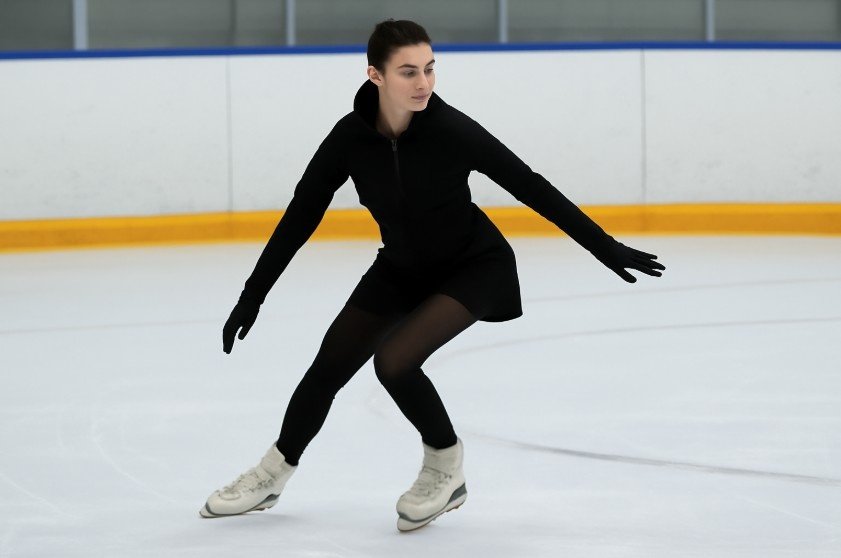
Your upper body should face the inside of the curve you’re skating. Maintaining a low stance with deeply bent knees is crucial for balance and ensuring that power is efficiently transferred from your body to the ice. This posture keeps you stable and allows for quicker, more controlled movements.
Forward Crossovers: Step-by-Step Guide
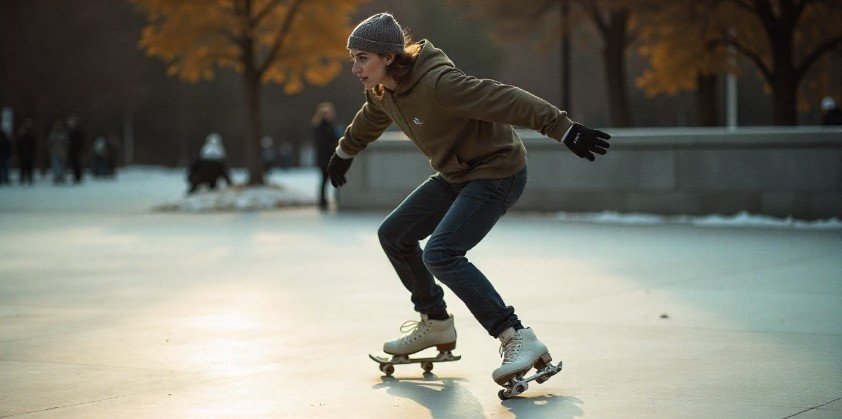
To execute a forward crossover (for example, counterclockwise):
- Push with Your Left Foot: Begin by pushing off the outside edge of your left foot, providing the initial thrust.
- Cross Your Right Foot Over: As you push with your left, bring your right foot across your body, placing it in front of the left foot.
- Shift Your Weight: Transfer your weight onto the right foot, utilizing the inside edge of the right skate to propel yourself forward and around the curve.
- Push from the Right Foot: Push with the inside edge of your right foot to maintain momentum and continue the crossover motion.
Backward Crossovers: Technique Breakdown
Backward crossovers follow a similar pattern but are executed while gliding backward. The power comes from the scissoring action of the legs, where one foot crosses over the other while pushing into the curve. Here’s how to perform a backward crossover:
- Glide Backward: Start by gliding backward with your knees slightly bent, maintaining a low center of gravity for balance.
- Push with the Outside Foot: Push off with the outside edge of your right foot (for a counterclockwise curve), propelling yourself backward.
- Cross the Left Foot Over: Bring your left foot across your body and place it in front of your right foot. Shift your weight onto the left foot.
- Power from the Left Foot: Use the inside edge of your left skate to push yourself around the curve, completing the crossover.
Key Tips for Successful Crossovers
Mastering crossovers requires practice and attention to detail. Keep these tips in mind for success:
Stay Low
Bending your knees is the most critical tip for beginners. When you’re too upright, it can cause balance issues, making it harder to execute the crossover smoothly. Staying low ensures better power transfer and greater control.
Use Edges, Not Toe Picks
When performing crossovers, avoid pushing off your toe pick, as this can cause instability. Instead, focus on using the edges of your skate blades, which provides more power and control during the maneuver.
Look Where You’re Going
Especially during backward crossovers, it’s essential to maintain awareness of your direction. Look over your shoulder into the direction you are skating to maintain control and avoid straining your neck.
Practice Drills
To improve your crossovers, incorporate drills into your training. Some effective drills include:
- Two-foot Crossovers: Start by practicing on two feet to get comfortable with the motion before advancing to single-foot work.
- Single-foot Pushes: Practice pushing with one foot to improve strength and control.
- Power Circles: Perform tight, low crossovers with deep knee bends to build strength and coordination.
Common Mistakes to Avoid in Crossovers
As you practice crossovers, be mindful of the following common mistakes:
- Not Bending Your Knees Enough: Skating with straight legs reduces power and increases the risk of losing balance. Keep your knees deeply bent to maximize control.
- Using the Toe Picks for Power: Pushing off the toe pick can lead to an unstable and inefficient crossover. Focus on using the inside and outside edges for power.
- Not Maintaining a Low Stance: A high stance reduces your ability to transfer energy efficiently to the ice. Staying low increases your stability and enhances speed.
Practice Drills for Perfecting Crossovers
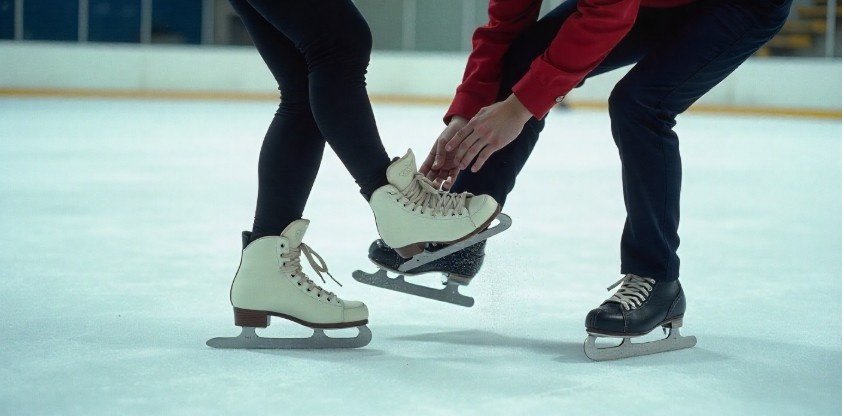
To build strength, coordination, and fluidity in your crossovers, incorporate these drills into your practice routine:
1. Circle Practice
Skate in large circles and focus on performing crossovers in both directions. This drill helps you work on control and balance while practicing the fluid motion of crossovers.
2. Slalom Drills
Set up cones on the ice and weave in and out while performing crossovers. This drill helps you improve your turning ability and agility.
3. Backward Crossovers
Once you’ve mastered forward crossovers, challenge yourself with backward crossovers. This drill improves your ability to skate in both directions and enhances your overall skating agility.
Frequently Asked Questions (FAQs)
1. How long does it take to master crossovers in ice skating?
The time it takes to master crossovers depends on your current skill level and the frequency of your practice. Most skaters notice improvement within a few weeks of consistent practice, though mastering both forward and backward crossovers may take several months.
2. How can I improve my crossover speed?
To improve speed, focus on using the inside edges of your skates for a more powerful push. Building strength in your legs and core through off-ice training will also help you accelerate during crossovers.
3. Can crossovers help with my figure skating turns?
Yes, mastering crossovers is essential for executing sharp, controlled turns in figure skating. Crossovers maintain speed and momentum, which helps you smoothly transition between different moves.
4. Are backward crossovers harder than forward crossovers?
Backward crossovers can be more challenging due to the different body mechanics involved. However, with practice, they become easier and will help you develop better overall skating skills.
Key Takeaways for Skating Success
Crossovers are an essential skill for figure skaters and ice hockey players alike. By focusing on proper technique, maintaining a low posture, and practicing regularly, you’ll improve your ability to generate speed, maintain control, and navigate curves effectively. Remember, consistency and patience are key, and with time, you’ll be executing powerful and smooth crossovers effortlessly.