Improving your figure skating skills requires dedication, practice, and a balanced approach between on-ice and off-ice training. Whether you’re just starting out or looking to refine your technique, these tips will help you take your skating to the next level. By focusing on consistent practice, mastering foundational skills, and engaging in off-ice training, you can significantly improve your performance.
On-Ice Practice: Master the Basics
To truly excel at figure skating, mastering the basics is essential. Here’s how you can solidify your foundation:
Master the Basics
Start by practicing fundamental skills like:
- Two-foot glides: Hold your position, focusing on your balance and control.
- Swizzles: Glide forward and backward, making “lemon-shaped” curves on the ice, to enhance your balance and coordination.
- Snowplow stops: Learn to stop safely and efficiently.
- One-foot glides: Build your confidence and control on a single skate.
Improve Edge Work
Edge work is the cornerstone of figure skating, providing the power and speed needed for advanced maneuvers. Focus on the following drills:
- Consecutive Edges: Skate large half-circles on one foot, making sure to use the full length of the blade—not just the toe pick.
- Crossovers: Practice forward and backward crossovers around circles in both directions to build strength and agility.
- Power Pulls: Glide on one foot while using the other foot to push outward (not backward), helping you generate power and maintaining alignment over the skating foot.
Focus on Posture and Form
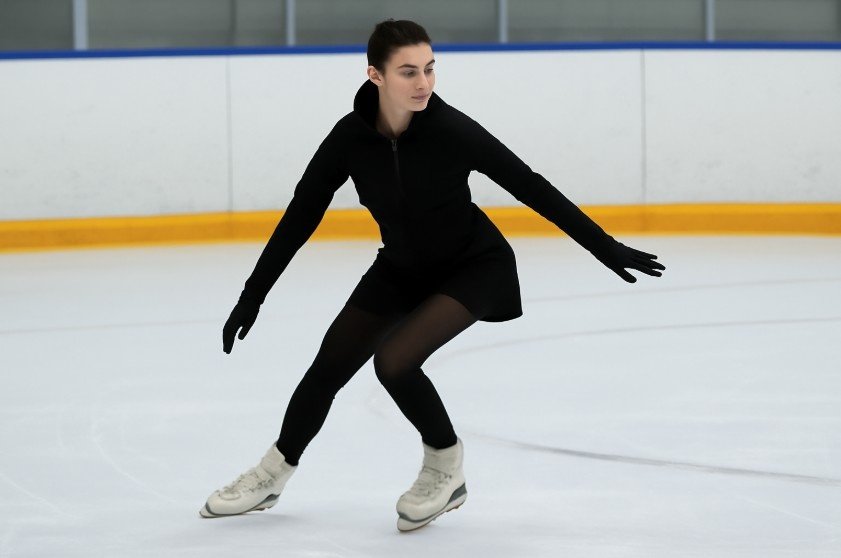
Good posture is essential for balance and elegance on the ice. Ensure that your knees are bent, back is straight, and head is up, always looking in the direction you’re traveling.
Practice Falling Safely
Falling is part of the learning process. Overcome the fear by practicing how to fall correctly (aim for your side or knee) and getting back up efficiently. This boosts confidence and allows you to take on more challenging moves.
Off-Ice Training: Building Strength and Flexibility
Cross-training is a crucial part of improving your figure skating skills. It helps develop the strength, flexibility, and stamina required for effective skating.

Strength Training
Exercises to Try: Squats, lunges, deadlifts, planks, Russian twists
Benefit: Builds muscle for powerful jumps and stable spins/landings.
Balance Training
Exercises to Try: One-leg stands, pendulum exercises, one-leg deadlifts, using a balance board or spinner
Benefit: Enhances stability and core control on the ice.
Flexibility Training
Exercises to Try: Hamstring stretches, hip flexor stretches, yoga
Benefit: Improves range of motion for deep edges, spirals, and overall grace.
Endurance Training
Exercises to Try: Running, cycling, or HIIT workouts
Benefit: Increases stamina for full programs without tiring.
General Tips for Improving Figure Skating Skills
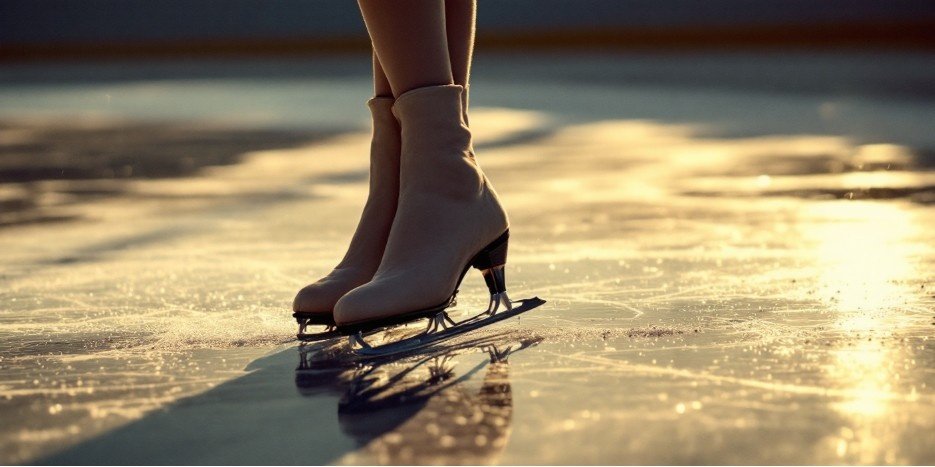
- Get the Right Equipment: Ensure your skates fit properly and provide strong ankle support. High-quality blades will make a noticeable difference in your skating performance.
- Take Lessons: Working with a qualified coach (whether in private sessions or group lessons) can provide you with personalized feedback and help you correct bad habits faster. A coach can significantly speed up your progress.
- Be Patient and Persistent: Progress in figure skating isn’t linear. Improvement takes time, so focus on small, achievable goals during each session and celebrate those small victories.
- Use Training Aids: Off-ice tools like spinners or synthetic ice can provide additional practice at home, improving your skills between on-ice sessions.
Structured 60-Minute Practice Plan
To assist you in organizing your on-ice practice, here’s a 60-minute training session tailored to your skill level:
- Warm-Up (10 minutes): Start with basic glides and swizzles to get your muscles warmed up.
- Edge Work (15 minutes): Practice consecutive edges and power pulls. Spend time focusing on technique and posture.
- Crossovers and Turns (10 minutes): Practice both forward and backward crossovers around a circle. Work on smooth transitions between the movements.
- Jumps and Spins (15 minutes): Work on basic jumps like the Salchow or Axel. Focus on proper technique, takeoff, and landing.
- Cool Down (5 minutes): Finish with stretching exercises to improve your flexibility and prevent injury.
Frequently Asked Questions
1. How long does it take to improve figure skating skills?
Improvement time varies based on individual progress. With consistent practice, most skaters notice improvements within a few months, though mastering advanced techniques can take years.
2. What are the best exercises to improve my figure skating skills off the ice?
Focus on strength exercises like squats and lunges for lower body power, balance drills like one-leg stands for stability, and flexibility stretches like yoga to enhance your range of motion.
3. Can I improve my jumps without a coach?
While a coach can provide valuable feedback, you can still improve your jumps by practicing regularly, focusing on proper form, and strengthening your legs and core through off-ice training.
4. How often should I practice figure skating to see improvement?
Aim for at least 3-4 practice sessions per week, balancing on-ice practice with off-ice training to build strength and flexibility.
Key Takeaways for Skating Success
Improving your figure skating skills requires a balanced approach: mastering basic on-ice skills, strengthening your body through off-ice training, and developing mental toughness. Focus on building a solid foundation with basic skills, engage in cross-training to boost strength and flexibility, and work with a coach to receive personalized guidance. Consistency is the key to success, and with time and dedication, you’ll see remarkable improvements in your figure skating performance.