
The first time I went roller skating as an adult, I expected fun and maybe a few laughs. What I did not expect was my smartwatch buzzing halfway through, congratulating me on hitting my daily cardio goal. My legs felt shaky, my breathing was heavier than expected, and yet I was smiling the entire time. That moment made me pause and ask myself honestly: is roller skating good exercise, or was this just a nostalgic activity tricking my fitness tracker?
The answer is clear and backed by both science and data. Roller skating is a highly effective, low-impact exercise that improves cardiovascular health, strengthens muscles, enhances balance, and supports mental well-being. When paired with modern fitness technology, it becomes even more measurable and rewarding.
Is Roller Skating Good Exercise For Heart Health?
Roller skating provides a strong aerobic workout that elevates heart rate and improves cardiovascular endurance. According to the American Heart Association, roller skating qualifies as an effective aerobic activity when performed at a moderate to vigorous pace. This means it actively strengthens the heart muscle while improving circulation and oxygen efficiency.
What makes skating especially effective is sustained movement. Unlike stop-start workouts, skating keeps the heart rate elevated for longer periods. Fitness trackers often show consistent time spent in cardio zones during skating sessions, similar to cycling or jogging. Over time, this can help lower blood pressure, improve cholesterol levels, and reduce the risk of heart disease.
Does Skating Work As A Low Impact Workout?
One of the biggest advantages of roller skating is how gentle it is on your joints. The smooth gliding motion reduces impact on knees, hips, and ankles compared to running or jumping exercises. This makes skating an excellent option for people with joint sensitivity or those recovering from high-impact fatigue.
From a tech perspective, wearables often detect fewer shock spikes during skating compared to running. This suggests less joint stress while still delivering strong cardiovascular output. For people who want sustainable fitness without wear and tear, skating offers a rare balance between intensity and joint safety.
Is Roller Skating Good Exercise For Muscle Strength?
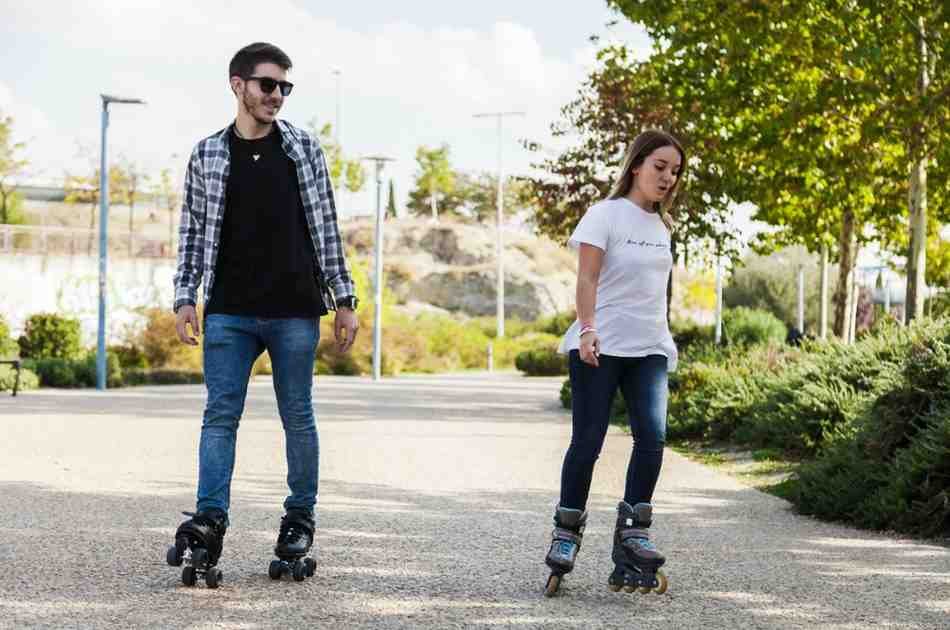
Roller skating engages more muscles than most people realize. The lower body does the majority of the work, with glutes, quadriceps, hamstrings, and calves powering each stride. At the same time, the core and lower back stay constantly engaged to maintain balance and posture.
Fitness trackers capture this effort through increased calorie burn and elevated heart rate even during steady skating. Over time, improved muscle endurance often shows up as smoother movement patterns and reduced fatigue during similar sessions. Skating does not just burn calories, it builds functional strength that supports everyday movement.
Why Roller Skating Good For Balance And Coordination?
Balance is not just a skill, it is a measurable fitness component. Roller skating challenges proprioception, the body’s ability to sense movement and positioning. Every glide, turn, and stop forces your brain and muscles to work together in real time.
As coordination improves, wearable devices often show more stable cadence and fewer erratic movement readings. This indicates better neuromuscular control. Improved balance reduces injury risk and enhances overall athletic performance, making skating especially valuable as a cross-training activity.
Does Roller Skating Burn Calories?
Roller skating is surprisingly efficient for calorie burning. Depending on speed, intensity, and body weight, a person can burn between 300 and 600 calories per hour. Faster skating, outdoor terrain, and longer sessions push this number even higher.
Fitness technology plays a key role here. Wearables calculate calorie burn using heart rate, motion data, and personal metrics such as age and weight. Because skating involves continuous movement and balance correction, trackers often classify it as moderate to high energy expenditure. This makes skating an effective option for weight management when done consistently.
Is Roller Skating Good Exercise For Mental Well Being?
Physical benefits aside, skating offers powerful mental health advantages. Like other aerobic activities, it stimulates the release of endorphins that reduce stress and improve mood. Many people report feeling mentally refreshed after skating, even more so than after traditional workouts.
From a behavioral standpoint, enjoyable workouts improve adherence. Fitness apps reinforce this by rewarding active minutes, streaks, and weekly movement goals. When exercise feels fun and the data confirms progress, motivation becomes easier to sustain. Skating supports both physical and emotional wellness without feeling forced.
How To Use Fitness Tech With Roller Skating
Turning roller skating into a data-driven workout is simple with the right setup.
First, update your fitness profile in your wearable app so calorie and heart rate calculations are accurate. Choose a cardio or mixed activity mode if skating is not listed. Outdoor skating benefits from GPS tracking, which records distance and speed.
Second, monitor heart rate zones during skating. Aim to stay in moderate to vigorous zones for at least 30 minutes to maximize cardiovascular benefits. Reviewing post-workout summaries helps you adjust intensity and duration over time.
Finally, use music and pacing tools. Many skaters match skating speed to playlist tempo, naturally creating interval training without timers. Technology enhances performance without interrupting enjoyment.

Is Roller Skating Good Exercise Compared To Other Workouts?
Here is how roller skating compares to common tech-tracked activities:
| Activity | Calories per Hour | Impact Level | Cardio Value |
| Walking | 200 to 300 | Low | Moderate |
| Cycling | 400 to 600 | Low | High |
| Jogging | 500 to 700 | High | High |
| Roller Skating | 300 to 600 | Low | High |
Roller skating offers a rare combination of high cardio value and low joint impact, making it suitable for a wide range of fitness levels.
Frequently Asked Questions
1. Is roller skating good exercise for beginners?
Yes. Beginners benefit from improved balance, coordination, and cardiovascular fitness without excessive joint strain. Short sessions of 20 to 30 minutes are enough to see progress when done regularly.
2. Is roller skating good exercise if tracked on a smartwatch?
Absolutely. Even without a specific skating mode, smartwatches accurately track heart rate, calories, and active minutes. Over time, trends reveal clear fitness improvements.
3. Is roller skating good exercise for weight loss?
Roller skating supports weight loss by burning calories and encouraging consistency. Sustainable routines matter more than intensity, and skating is easier to maintain long term.
4. Is indoor or outdoor skating better?
Outdoor skating provides added resistance and GPS tracking, while indoor skating offers controlled conditions. Both are effective when tracked consistently.
Still wondering if roller skating is worth it?
Here is the honest truth. Roller skating works because it blends fitness, fun, and technology into one experience. It strengthens your heart, builds muscle, improves balance, and supports mental health while your devices quietly confirm progress in the background.
If your goal is an exercise routine that feels enjoyable yet delivers real results, skating deserves a spot in your schedule. Lace up, press start on your tracker, and let the data surprise you.